
Wedding dress codes for every season
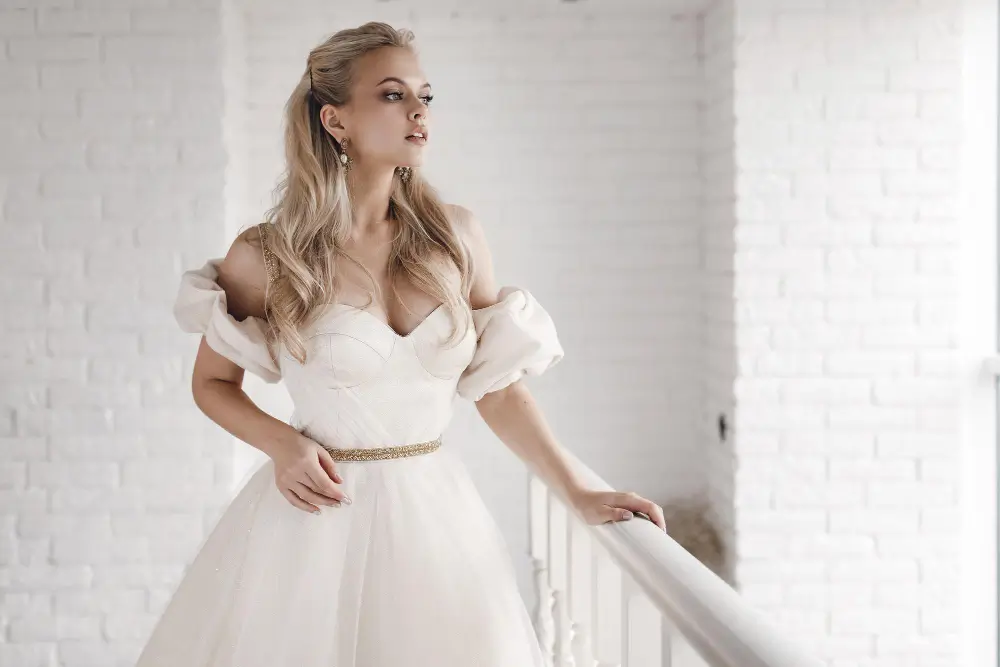
Dress codes are a quiet guide for guests at any wedding. They help set the mood and make sure everyone feels comfortable and confident. When couples include a dress code, it’s their way of pointing guests in the right direction, so no one feels out of place or overdressed.
The season matters, too. What works for a summer garden party won’t always work for a winter ballroom. Warm days call for lighter fabrics, while cooler months invite cozy layers and deeper colors. It’s important to notice how the time of year changes what’s best to wear. A spring ceremony might mean you need a light jacket, while a fall celebration could be the perfect time for rich tones and heavier textures.
Pro tip: Always check the wedding invitation for dress code hints. Sometimes it’s written clearly, and other times the location or time of day offers clues about what to wear.
Seasonal Dress Code Essentials
The season of a wedding makes a big impact on what guests should wear. While dress codes give us a framework, the weather, venue, and time of year all shape the best outfit choices. A few smart decisions can help you look sharp and feel comfortable, whether you’re heading to a garden party in April or a snowy celebration in December.
Spring Celebrations
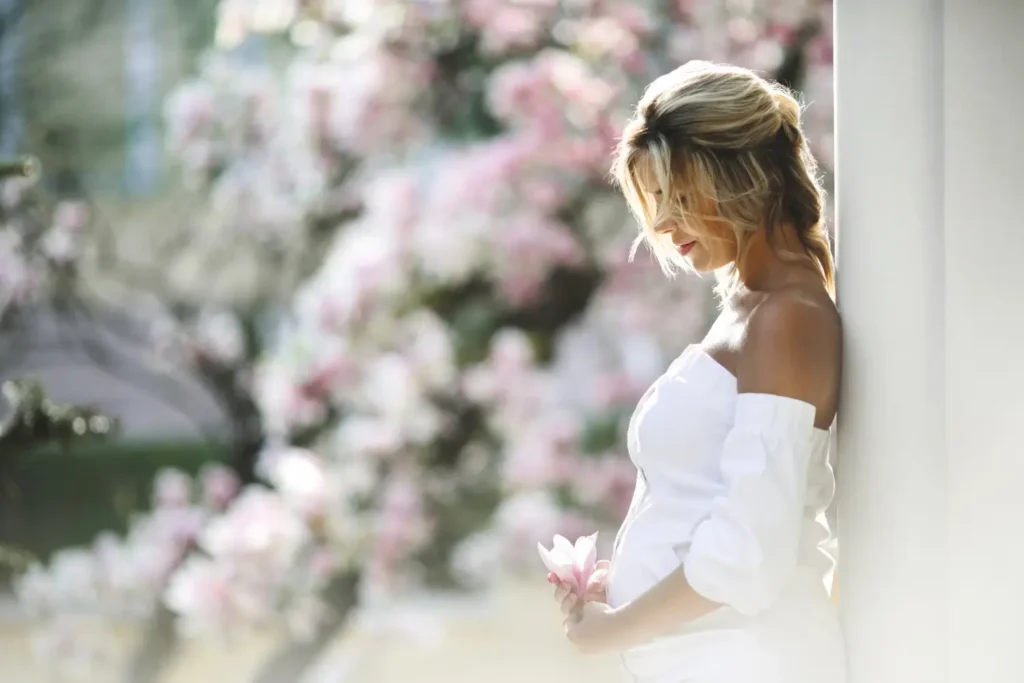
Spring weddings often come with unpredictable weather. Choose light, breathable fabrics such as cotton or chiffon, and try gentle colors like pastels or soft florals. Even if it seems warm, sudden chills are common. Bring a blazer, pashmina, or light trench. Closed-toe shoes are best for damp lawns and muddy paths.
- Do: Add a light jacket or shawl for layering
- Don’t: Count on steady temperatures – check the forecast
- Do: Wear pastels and floral prints
- Don’t: Pick heavy or dark fabrics
Summer Affairs
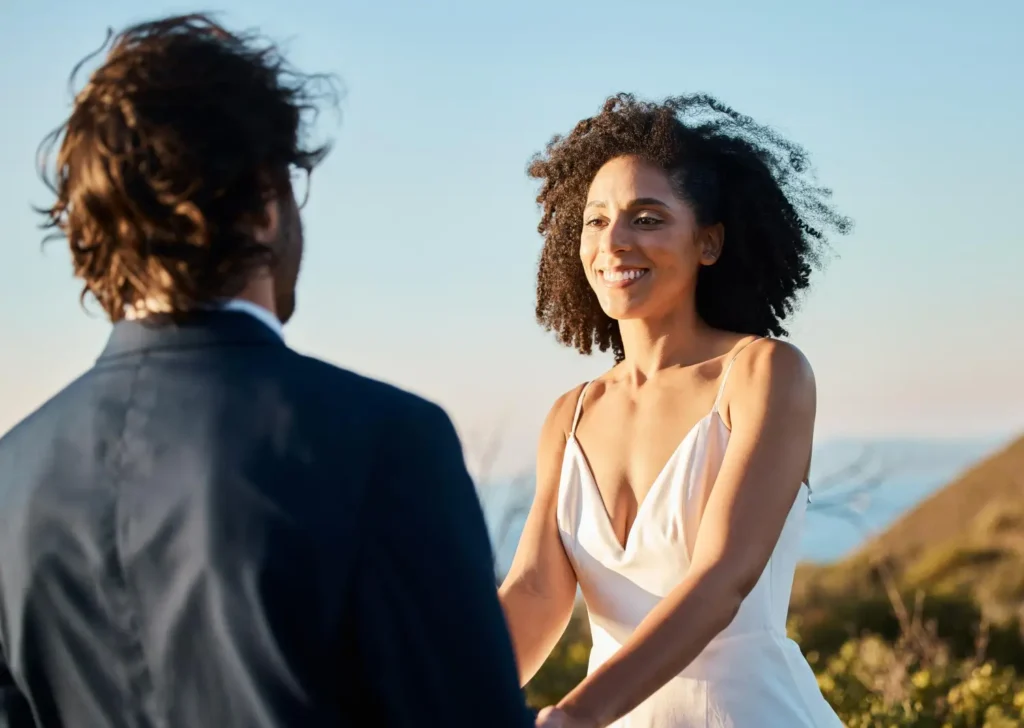
Hot weather calls for comfort. Choose linen, seersucker, or other light fabrics. Pale colors help keep you cool and look crisp in the sun. If the ceremony is outdoors, sunglasses and sun hats are helpful, but remove hats and sunglasses during formal moments. Skip high heels for grass or sand. Stay hydrated and protect your skin with sunscreen.
- Do: Wear light, airy fabrics
- Don’t: Forget sun protection
- Do: Pick comfortable shoes for outdoor settings
- Don’t: Wear dark, heavy clothes
Fall Gatherings
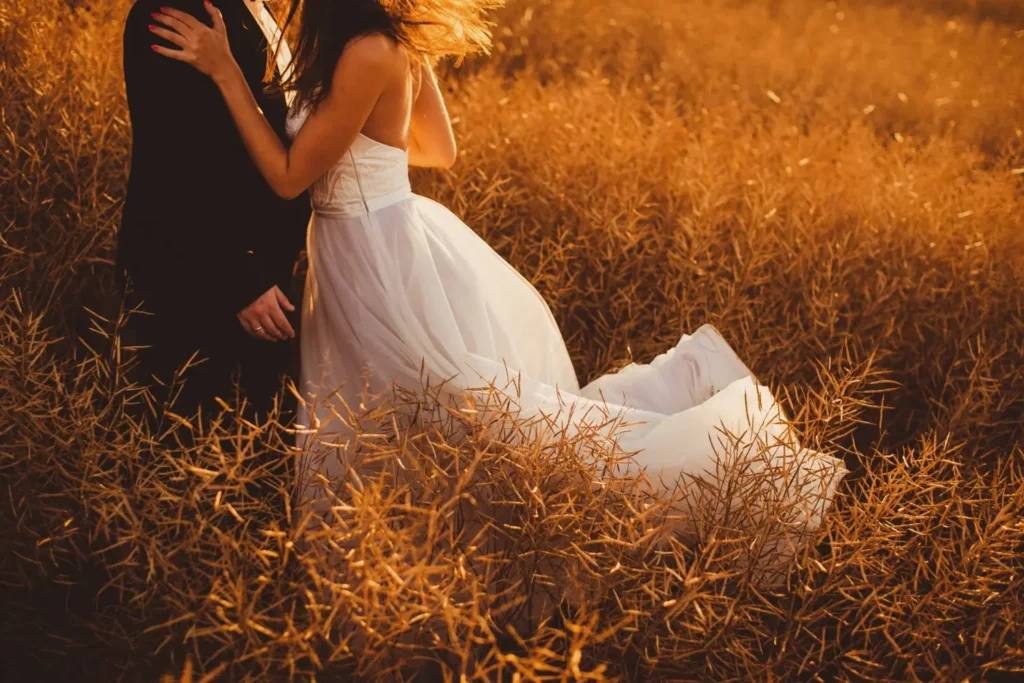
Autumn weddings bring rich colors and cooler air. Deep greens, burgundy, and navy look beautiful with the changing leaves. Choose heavier fabrics like velvet, wool blends, or crepe. Bring a blazer, scarf, or wrap to stay warm as the sun goes down. Extra layers are smart, especially for barn venues or outdoor receptions.
- Do: Add layers with blazers or scarves
- Don’t: Overlook chilly evenings
- Do: Try jewel tones and autumn prints
- Don’t: Wear thin fabrics without a backup layer
Winter Weddings
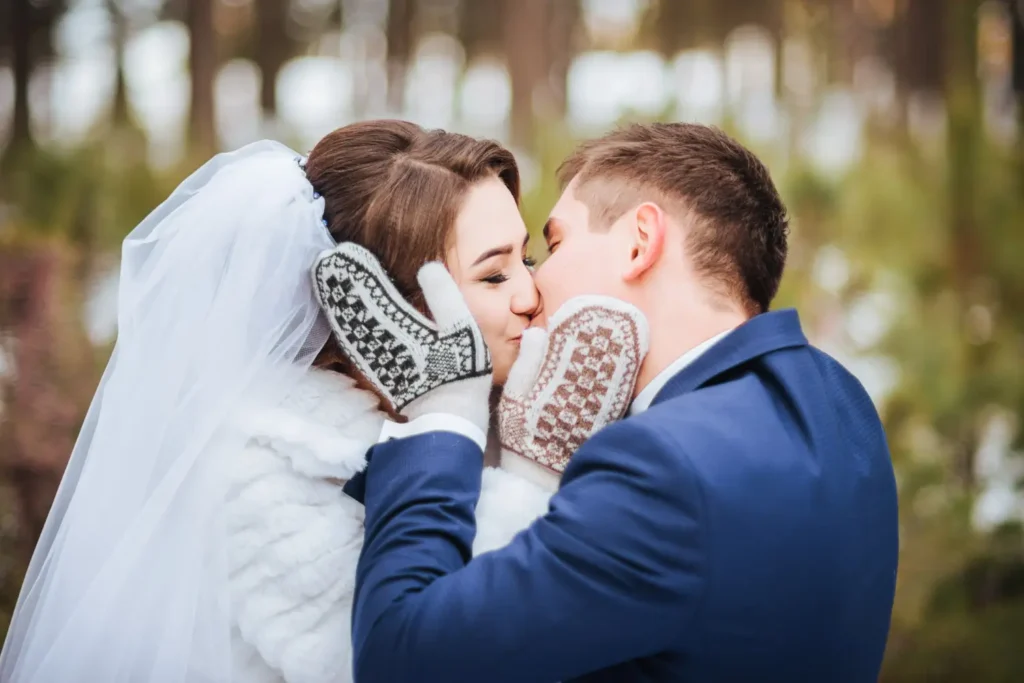
Winter is the time for elegant, cozy style. Velvet, satin, and faux fur bring warmth and a touch of luxury. Darker shades like emerald, charcoal, and sapphire fit the season. Indoors, long sleeves or a wrap are stylish and practical. Outdoors, choose a wool coat or chic cape. Boots can look great with formal outfits, especially in snowy weather. For full planning support, guests can find helpful tips in the ultimate wedding checklist guide.
Deciphering Dress Code Terms
Wedding invitations often come with dress codes that sound confusing. Words like “cocktail,” “semi-formal,” or “black-tie optional” can raise a lot of questions. After years of watching guests arrive at all types of celebrations, I’ve learned that these dress codes change with the season, the location, and the couple’s preferences. Understanding them makes it much easier to pick the right outfit, whether you’re headed to a sunny July gathering or a cozy winter party.
Here are the basics. Casual doesn’t mean everyday clothes. For a summer wedding, go for chinos, a sundress, or a neat button-down shirt – something relaxed but still put together. In winter, warmer fabrics like wool pants or a sweater dress work better. Cocktail means a step up: think a nice dress or suit, but no need for a tuxedo. In summer, lighter fabrics and cheerful colors are perfect. For winter, try deep colors or velvet for a richer look. Semi-formal sits between cocktail and formal. A suit or knee-length dress is great in summer. In cooler months, add a sharp jacket or an elegant wrap for extra warmth.
Things get dressier with formal or black-tie. For a formal summer wedding, try a light-colored suit or a flowing gown. In winter, choose a darker suit, silk dress, or even a floor-length style for upscale venues. Black-tie usually calls for a tuxedo or a long dress. In the middle of summer, you can skip the jacket and wear a crisp vest to stay cool. For a winter black-tie event, go for the full look – tuxedo, velvet wrap, and polished shoes. The most important thing is to match your outfit to both the dress code and the season, while still feeling like yourself. If you’re comfortable, you’ll always look your best.
Expert Advice and Real Wedding Inspiration
Over the years, I’ve seen all kinds of wedding guest fashion. Some outfits stand out for their style, while others are unforgettable for less ideal reasons (like the guest who showed up to a Newport mansion in Red Sox shorts – definitely a statement). The biggest takeaway? When you feel comfortable and confident, it always shows. To gather some fresh tips, I reached out to wedding stylists and looked back at favorite guest looks from recent celebrations.
- Do bring an extra layer for changing weather, especially during spring and fall. A simple blazer or wrap can help you stay warm and still look put-together.
- Don’t wear brand-new shoes if you haven’t tested them out. Walking across a vineyard or sandy beach is much easier when your shoes aren’t causing you pain.
- Do ask the couple or their planner if you’re unsure about the dress code. It’s always better to check than to guess.
- Don’t forget about the venue. Grass, sand, or cobblestones can change what footwear makes sense – and help you avoid unexpected mishaps.
“The best-dressed guests always look like themselves, just a touch more polished. Seasonal fabrics like linen in July or velvet in January are perfect choices. And if you’re deciding between two outfits, pick the one you can dance in. Nobody remembers the guest who missed the Hora because their pants were too tight!”
– Megan Connolly, Boston-based wedding stylist
Some of the best wedding moments come from these details: guests dashing out for snowy photos wrapped in wool coats, or summer parties where everyone wears bright florals and straw hats. Your outfit isn’t about just looking good in photos (though that’s a bonus). It’s about joining the fun, feeling great, and making memories that last.
Making the Right Impression Every Season
Over the years, one thing stands out: weddings are about honoring the couple and enjoying the celebration. What you wear goes beyond looking good in the photos. It’s about feeling at ease from the start of the ceremony through the last song, while showing respect for the couple’s choices. The ultimate wedding checklist guide is a helpful tool for this. Use those tips, consider the weather, and think about the venue to make smart decisions.
Whether you’re reaching for light linen at a summer party or choosing velvet for a winter gathering, focus on comfort and style. Pay attention to the forecast. Stick to the dress code. Add a bit of your own flair, too. Guests who look comfortable and genuine always make a great impression. Couples notice when guests put thought into their outfits, and it shows. Trust your instincts, check your list, and you’ll be set to enjoy every moment, rain or shine.
